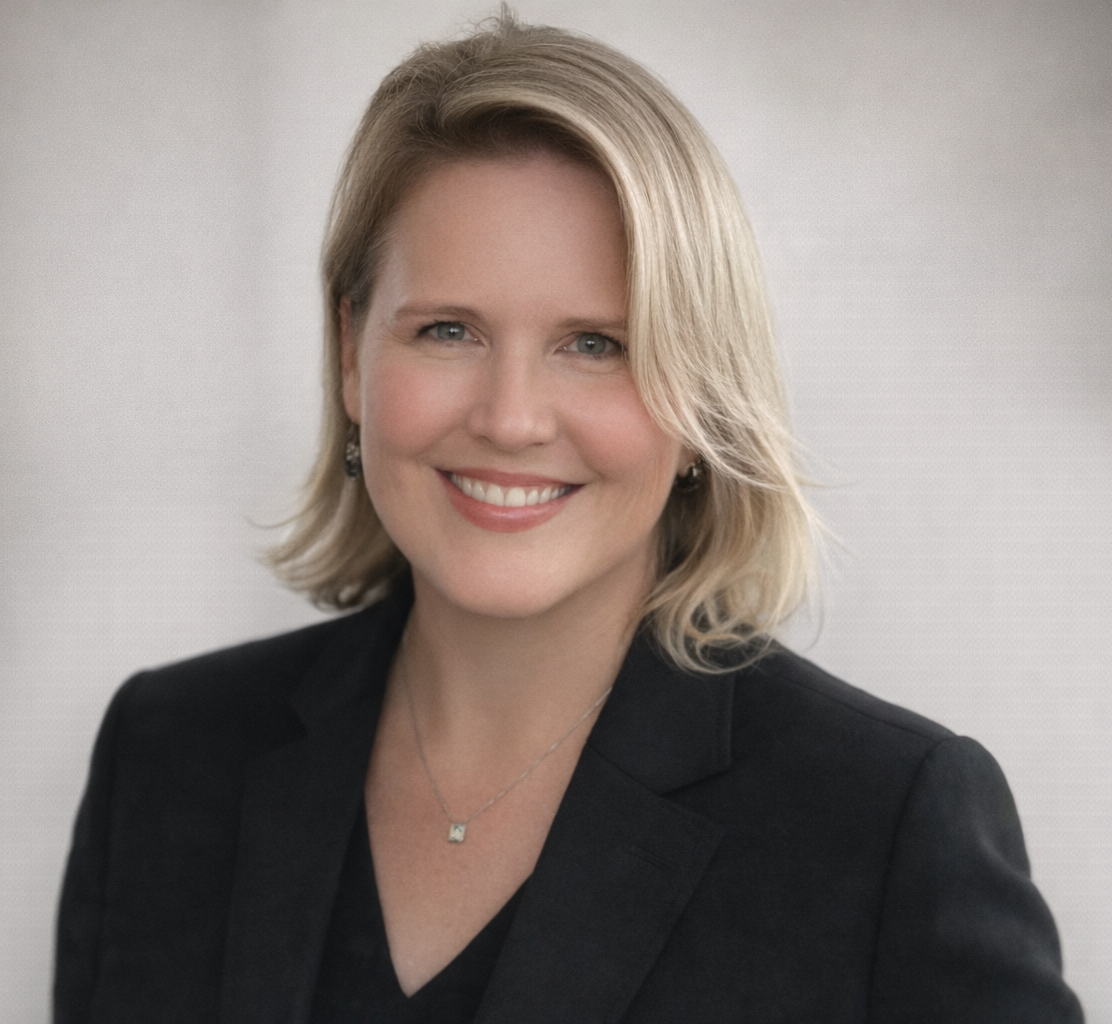
Samantha Garvin, Mortgage Broker

Arranging mortgages that work for you

CONTACT ME

Samantha Garvin

Mortgage Broker

Looking for expert mortgage advice you can trust? I’m a registered (sub)mortgage broker and active member of the Canadian Mortgage Brokers Association of British Columbia, with over 15 years of experience in financial services. With an MBA and a Bachelor’s degree in Finance, I bring both deep expertise and a strategic approach to every client relationship.


I do not work for any particular lender. As part of the Total Mortgage / Verico team, I can shop the market on your behalf and compare mortgage options from a wide network of British Columbia's leading lenders. That means better rates, better terms, and mortgage solutions tailored to your goals—not a one-size-fits-all product.


Whether you’re buying your first home, upgrading, refinancing, or investing in real estate, I’ll guide you through the process from start to finish with clarity and confidence. I regularly help clients overcome common challenges such as self-employment income, bruised credit, or new resident status—and in most residential transactions, my services come at no cost to you.


My commitment is simple: honest advice, complete transparency, and mortgage strategies that put you and your family or business first.


When I’m not securing great mortgage solutions, I’m spending time with my family on the North Shore, enjoying the incredible place we’re proud to call home.


Ready to explore your options? Let’s talk.

CONTACT ME
As first time home buyers, we didn't quite know where to start the process. Our friends recommended we call Samantha, and are we ever happy we did. She was very good to work with, answered all our questions, and helped us buy a nice little condo. Thanks so much!

Mindy & Jason

I wasn't sure if any bank would give me a mortgage. Being self-employed and recently divorced, I really didn't know where I would stand. Samantha was there to show me all my options, and arranged financing with a lender that allowed me to buy a place of my own. Here's to a fresh start! Thanks Sam.

Catherine M

As first time home buyers, there was a lot we didn't know about, including mortgages. Samantha of Garvin Mortgage led us through the process like a professional, educated us about the process and options and supported us in navigating our first mortgage. She was helpful and attentive, with us every step of the way. We secured our first mortgage at an excellent rate and are loving our new home. Samantha was there with us from the first steps until after closing, and resolved an unforeseen issue at closing, efficiently and quickly.

J. Back

Lenders

Lenders in British Columbia

Mortgage Articles


By Samantha Garvin May 26, 2026
Mortgage Registration 101: What You Need to Know About Standard vs. Collateral Charges When you’re setting up a mortgage, it’s easy to focus on the rate and monthly payment—but what about how your mortgage is registered? Most borrowers don’t realize this, but there are two common ways your lender can register your mortgage: as a standard charge or a collateral charge . And that choice can affect your flexibility, future borrowing power, and even your ability to switch lenders. Let’s break down what each option means—without the legal jargon. What Is a Standard Charge Mortgage? Think of this as the “traditional” mortgage. With a standard charge, your lender registers exactly what you’ve borrowed on the property title. Nothing more. Nothing hidden. Just the principal amount of your mortgage. Here’s why that matters: When your mortgage term is up, you can usually switch to another lender easily —often without legal fees, as long as your terms stay the same. If you want to borrow more money down the line (for example, for renovations or debt consolidation), you’ll need to requalify and break your current mortgage , which can come with penalties and legal costs. It’s straightforward, transparent, and offers more freedom to shop around at renewal time. What Is a Collateral Charge Mortgage? This is a more flexible—but also more complex—type of mortgage registration. Instead of registering just the amount you borrow, a collateral charge mortgage registers for a higher amount , often up to 100%–125% of your home’s value . Why? To allow you to borrow additional funds in the future without redoing your mortgage. Here’s the upside: If your home’s value goes up or you need access to funds, a collateral charge mortgage may let you re-borrow more easily (if you qualify). It can bundle other credit products—like a line of credit or personal loan—into one master agreement. But there are trade-offs: You can’t switch lenders at renewal without hiring a lawyer and paying legal fees to discharge the mortgage. It may limit your ability to get a second mortgage with another lender because the original lender is registered for a higher amount than you actually owe. Which One Should You Choose? The answer depends on what matters more to you: flexibility in future borrowing , or freedom to shop around for better rates at renewal. Why Talk to a Mortgage Broker? This kind of decision shouldn’t be made by default—or by what a single lender offers. An independent mortgage professional can help you: Understand how your mortgage is registered (most people never ask!) Compare lenders that offer both options Make sure your mortgage aligns with your future goals—not just today’s needs We look at your full financial picture and explain the fine print so you can move forward with confidence—not surprises. Have questions? Let’s talk. Whether you’re renewing, refinancing, or buying for the first time, I’m here to help you make smart, informed choices about your mortgage. No pressure—just answers.
By Samantha Garvin May 12, 2026
Ready to Buy Your First Home? Here’s How to Know for Sure Buying your first home is exciting—but it’s also a major financial decision. So how can you tell if you’re truly ready to take that leap into homeownership? Whether you’re confident or still unsure, these four signs are solid indicators that you’re on the right path: 1. You’ve Got Your Down Payment and Closing Costs in Place To purchase a home in Canada, you’ll need at least 5% of the purchase price as a down payment. In addition, plan for around 1.5% to 2% of the home’s value to cover closing costs like legal fees, insurance, and adjustments. If you’ve managed to save this on your own, that’s a great sign of financial discipline. If you're receiving help from a family member through a gifted down payment , that works too—as long as the paperwork is in order. Either way, having these funds ready shows you’re prepared for the upfront costs of homeownership. 2. Your Credit Profile Tells a Good Story Lenders want to know how you manage debt. Before they approve you for a mortgage, they’ll review your credit history. What they typically like to see: At least two active credit accounts (trade lines) , like a credit card or loan Each with a minimum limit of $2,000 Open and active for at least 2 years Even if your credit isn’t perfect, don’t panic. There may still be options, such as using a co-signer or working on a credit improvement plan with a mortgage expert. 3. Your Income Can Support Homeownership—Comfortably A steady income is essential, but not all income is treated equally. If you’re full-time and past probation , you’re in a strong position. If you’re self-employed, on contract, or rely on variable income like tips or commissions, you’ll generally need a two-year history to qualify. A general rule: housing costs (mortgage, taxes, utilities) should stay under 35% of your gross monthly income . That leaves plenty of room for other living expenses, savings, and—yes—some fun too. 4. You’ve Talked to a Mortgage Professional Let’s be real—there’s a lot of info out there about buying a home. Google searches and TikToks can only take you so far. If you're serious about buying, speaking with a mortgage professional is the most effective next step. Why? Because you'll: Get pre-approved (and know what price range you're working with) Understand your loan options and the qualification process Build a game plan that suits your timeline and financial goals The Bottom Line: Being “ready” to buy a home isn’t just about how much you want it—it’s about being financially prepared, credit-ready, and backed by expert advice. If you’re thinking about homeownership, let’s chat. I’d love to help you understand your options, crunch the numbers, and build a plan that gets you confidently across the finish line—keys in hand.
By Samantha Garvin April 29, 2026
The Bank of Canada announced today that it is holding its target for the overnight rate at 2.25%, with the Bank Rate at 2.5% and the deposit rate at 2.20%. This decision comes against a backdrop of significant global uncertainty — and for Canadian homeowners, buyers, and anyone with a mortgage coming up for renewal, here's what it means.